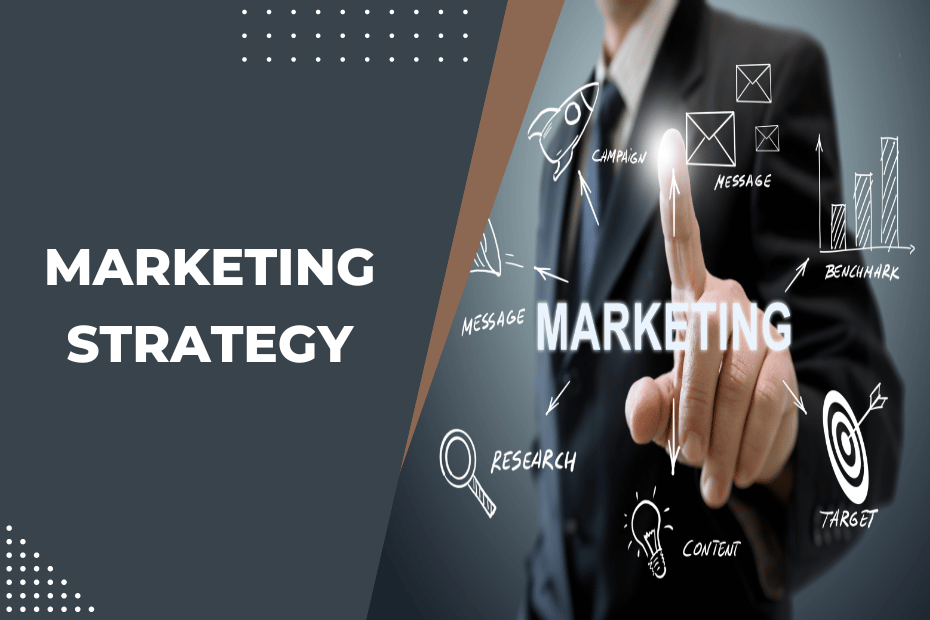
In today’s fast-paced digital landscape, businesses must adopt a multi-channel marketing strategy to effectively reach and engage their target audiences. A multi-channel approach involves using various platforms and communication channels to deliver a consistent brand message and create a seamless customer experience. This article explores the essentials of crafting a successful multi-channel marketing strategy, highlighting key elements such as setting clear objectives, understanding your audience, choosing the right channels, and integrating data for optimized performance. By understanding and implementing these strategies, businesses can navigate the complexities of the multi-channel maze and achieve significant growth.
Setting Clear Objectives
The foundation of any successful marketing strategy lies in setting clear and measurable objectives. This involves defining your marketing goals and key performance indicators (KPIs) that align with your business objectives. For instance, if your goal is to increase brand awareness, your KPIs might include metrics such as reach, impressions, and social media engagement. Clear objectives provide direction and focus, ensuring that all marketing efforts are aligned and purposeful. It’s essential to establish both short-term and long-term goals, allowing for flexibility and adjustments as needed.
Establishing clear objectives also means understanding the broader business goals and how marketing can support them. For example, if a company aims to enter a new market, marketing objectives might include building brand awareness in that market, generating leads, and establishing partnerships. By aligning marketing objectives with business goals, companies can ensure that their marketing efforts contribute to overall business success.
Understanding Your Audience
A deep understanding of your target audience is crucial for effective multi-channel marketing. This involves researching your audience’s demographics, behaviors, preferences, and pain points. Creating detailed buyer personas can help tailor your marketing messages and choose the most effective channels to reach your audience. For example, younger audiences might prefer platforms like Instagram and TikTok, while older demographics might be more active on Facebook and LinkedIn. By understanding where your audience spends their time and how they interact with different media, you can create more relevant and engaging content.
Understanding your audience also means recognizing the different stages of the buyer’s journey. Potential customers in the awareness stage require different messaging and content than those in the consideration or decision stages. By mapping out the buyer’s journey and identifying the needs and behaviors at each stage, businesses can create targeted content that resonates with their audience and drives them closer to making a purchase.
Choosing the Right Channels
Not all channels are created equal, and selecting the right mix is essential for maximizing impact and return on investment (ROI). Popular channels include social media platforms (e.g., Facebook, Instagram, LinkedIn), email marketing, search engine optimization (SEO), content marketing, and paid advertising (e.g., Google Ads). Each channel has its strengths and weaknesses, and the key is to choose those that best align with your audience and business goals. For instance, content marketing is highly effective for building brand authority and SEO, while paid social media campaigns can drive immediate traffic and conversions.
It’s also important to consider the unique attributes of each channel. Social media platforms, for example, offer opportunities for engagement and community building that are different from the direct response nature of email marketing. Similarly, search engine marketing (SEM) can capture demand from users actively searching for products, while display advertising can build brand awareness among broader audiences. By understanding the nuances of each channel, businesses can leverage their strengths to achieve specific marketing objectives.
Integrating Data and Analytics
Data integration and analytics are vital for a successful multi-channel marketing strategy. Using advanced marketing analytics platforms, businesses can track, measure, and analyze the performance of each channel. This data-driven approach allows for real-time adjustments and continuous improvement. Tools like customer data platforms (CDPs) can unify data from various sources, providing a comprehensive view of customer interactions and enabling more targeted and personalized marketing efforts. By leveraging analytics, businesses can identify what works, optimize their strategies, and allocate resources more efficiently.
Analytics also provide insights into customer behavior and preferences, which can inform future marketing strategies. For example, if data shows that a particular type of content performs well on social media but less so in email campaigns, businesses can adjust their content strategies accordingly. Additionally, analytics can reveal trends and patterns that might not be immediately apparent, such as seasonal variations in customer engagement or the impact of external events on marketing performance.
Creating Consistent and Engaging Content
Consistency in messaging and branding across all channels is crucial for a cohesive customer experience. However, this does not mean simply copying and pasting the same content across platforms. Instead, tailor your content to fit the unique format and audience of each channel while maintaining a consistent brand voice. For example, visual content might be repurposed with different designs for Instagram, Facebook, and Twitter. Engaging content is key to capturing and retaining your audience’s attention. Use a mix of text, images, videos, and interactive elements to create compelling content that encourages interaction and sharing.
Creating engaging content also involves storytelling and creating emotional connections with your audience. Stories can humanize a brand, making it more relatable and memorable. Whether it’s sharing customer success stories, behind-the-scenes looks at your company, or creating narratives around your products, storytelling can enhance engagement and loyalty. Additionally, interactive content such as quizzes, polls, and live videos can boost engagement by encouraging active participation from your audience.
Managing Customer Experience
A robust multi-channel marketing strategy goes hand-in-hand with a strong customer experience (CX) strategy. Ensuring a seamless and consistent customer experience across all touchpoints is essential. This involves aligning marketing efforts with customer service, sales, and other departments to provide a unified brand experience. Effective use of CRM systems and integrated communication platforms can help manage customer interactions and provide a holistic view of the customer journey. By prioritizing CX, businesses can build stronger relationships, enhance customer satisfaction, and drive loyalty.
Managing customer experience also means being responsive and attentive to customer feedback. Social media and online reviews provide valuable insights into customer perceptions and experiences. By actively monitoring and responding to feedback, businesses can address issues promptly and demonstrate their commitment to customer satisfaction. Furthermore, personalization plays a significant role in enhancing customer experience. Tailoring communications and offers based on individual customer preferences and behaviors can make interactions more relevant and satisfying.
Measurement and Optimization
Continuous measurement and optimization are critical components of a successful multi-channel marketing strategy. Regularly track key metrics to evaluate the performance of each channel and campaign. Use these insights to make data-driven decisions, refine your strategies, and improve overall effectiveness. A/B testing, customer feedback, and performance analytics are valuable tools for identifying areas for improvement and optimizing your marketing efforts. By staying agile and responsive to changes in the market and consumer behavior, businesses can maintain a competitive edge and achieve their marketing goals.
Optimization involves more than just adjusting tactics; it also means refining broader strategies based on performance data. For example, if analysis shows that certain channels consistently outperform others in driving conversions, businesses might reallocate budget and resources to those high-performing channels. Similarly, if customer feedback indicates a preference for specific types of content or messaging, marketing strategies can be adjusted to align with those preferences. Regularly reviewing and updating marketing plans ensures they remain relevant and effective in a constantly changing landscape.
In Conclusion
Navigating the multi-channel marketing maze requires a strategic approach, clear objectives, a deep understanding of your audience, and the right mix of channels. Integrating data and analytics, creating engaging content, managing customer experience, and continuous measurement and optimization are key elements for success. By leveraging these strategies, businesses can effectively reach and engage their target audiences, drive growth, and achieve significant ROI. As the digital landscape continues to evolve, staying informed and adaptable will be crucial for maintaining a competitive advantage and thriving in the dynamic world of modern marketing.

Jay Holstine is a Vistage Chair and veteran tech CEO with 20+ years of experience in SaaS and operations. The founder of SigmaFlow and former CEO of Freightflow, he now leads a Dallas–Fort Worth CEO peer group and advises executives on strategy, process improvement, and scalable growth.